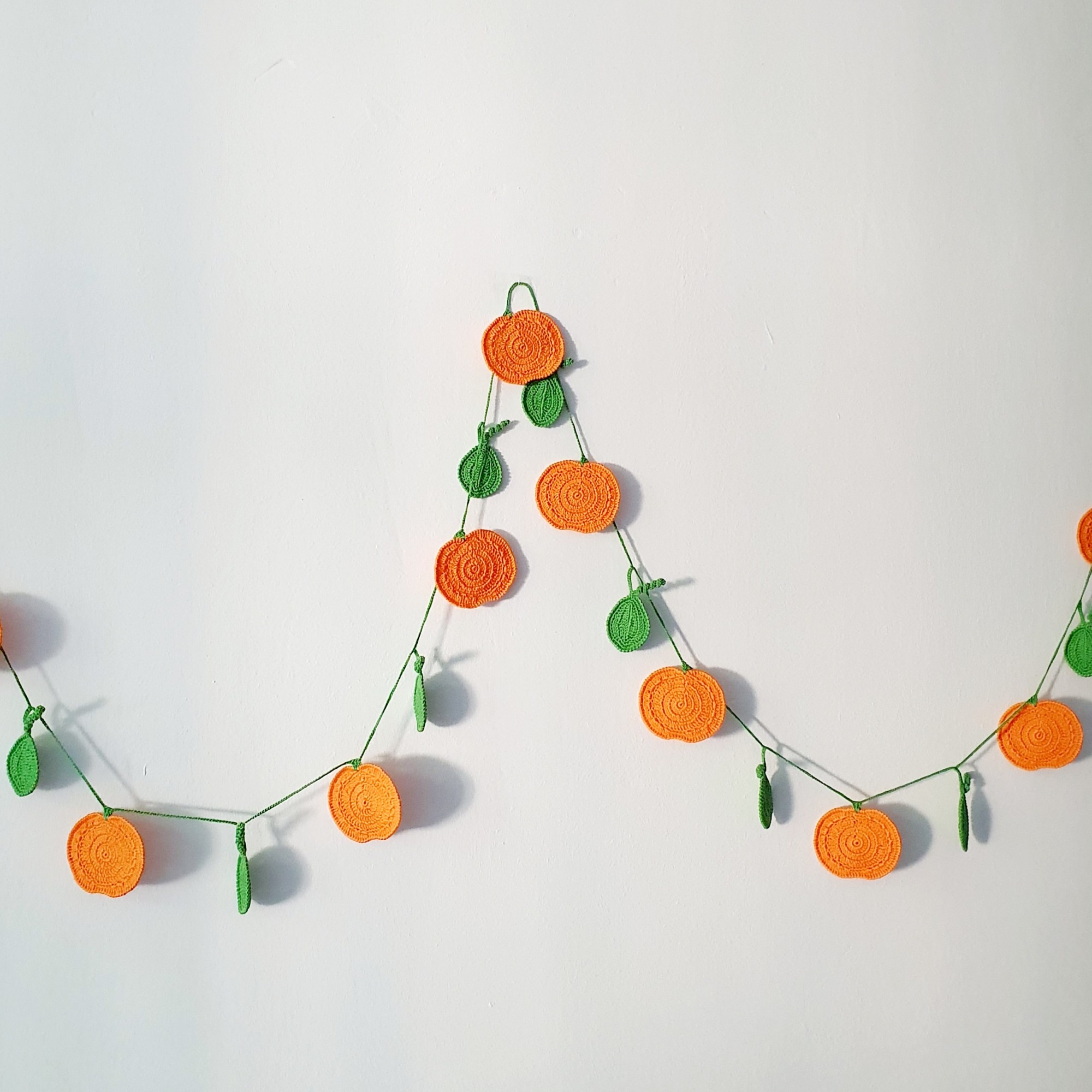
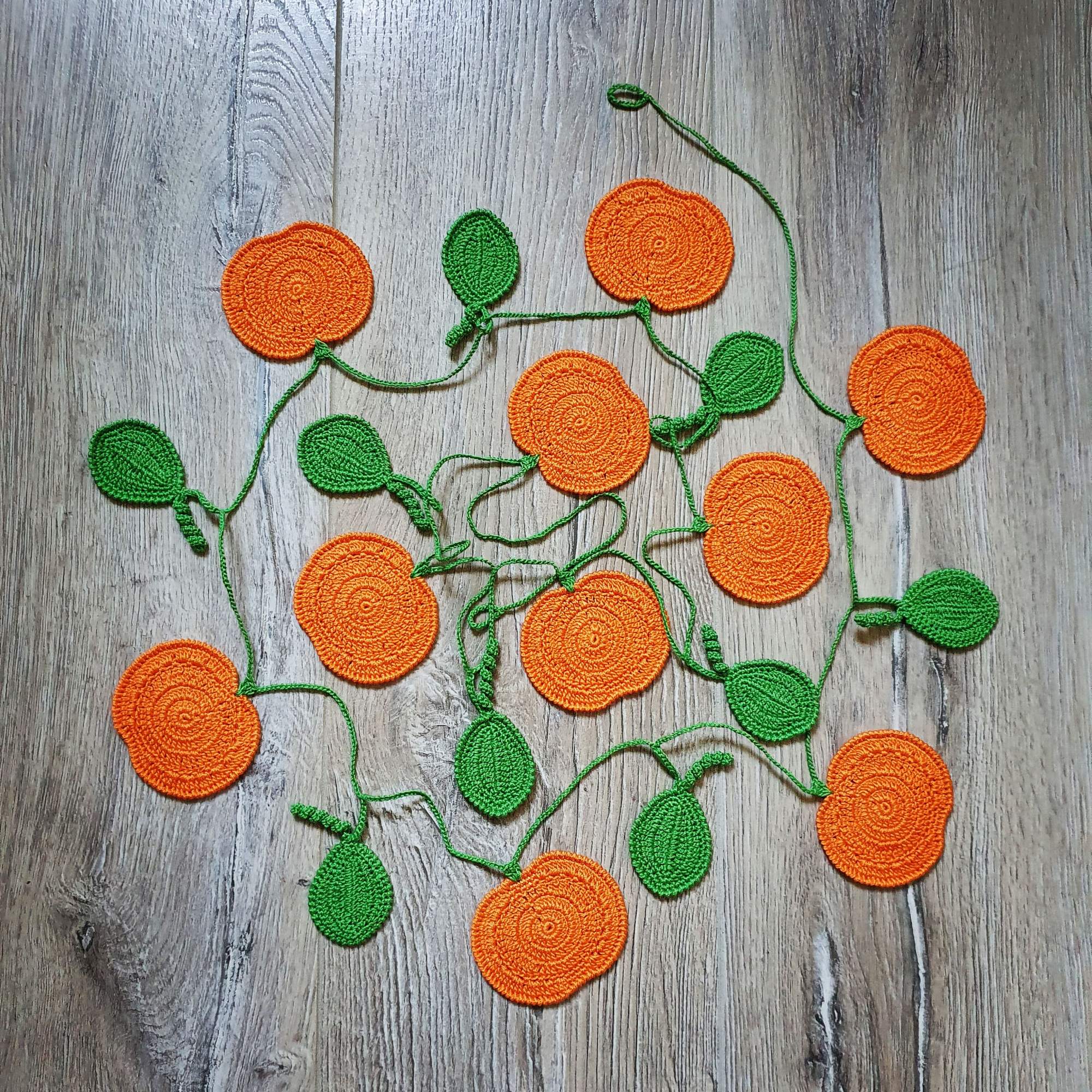
Pumpkin Garland

My Thanksgiving Day decor is back in stock. That means that I’ve started pre-order for this bright pumpkin garland. I have a long time to prepare my orders, but it will change in some time because I have only four opened orders now, and I plan to send all of them by the end of the following week.

New Garland

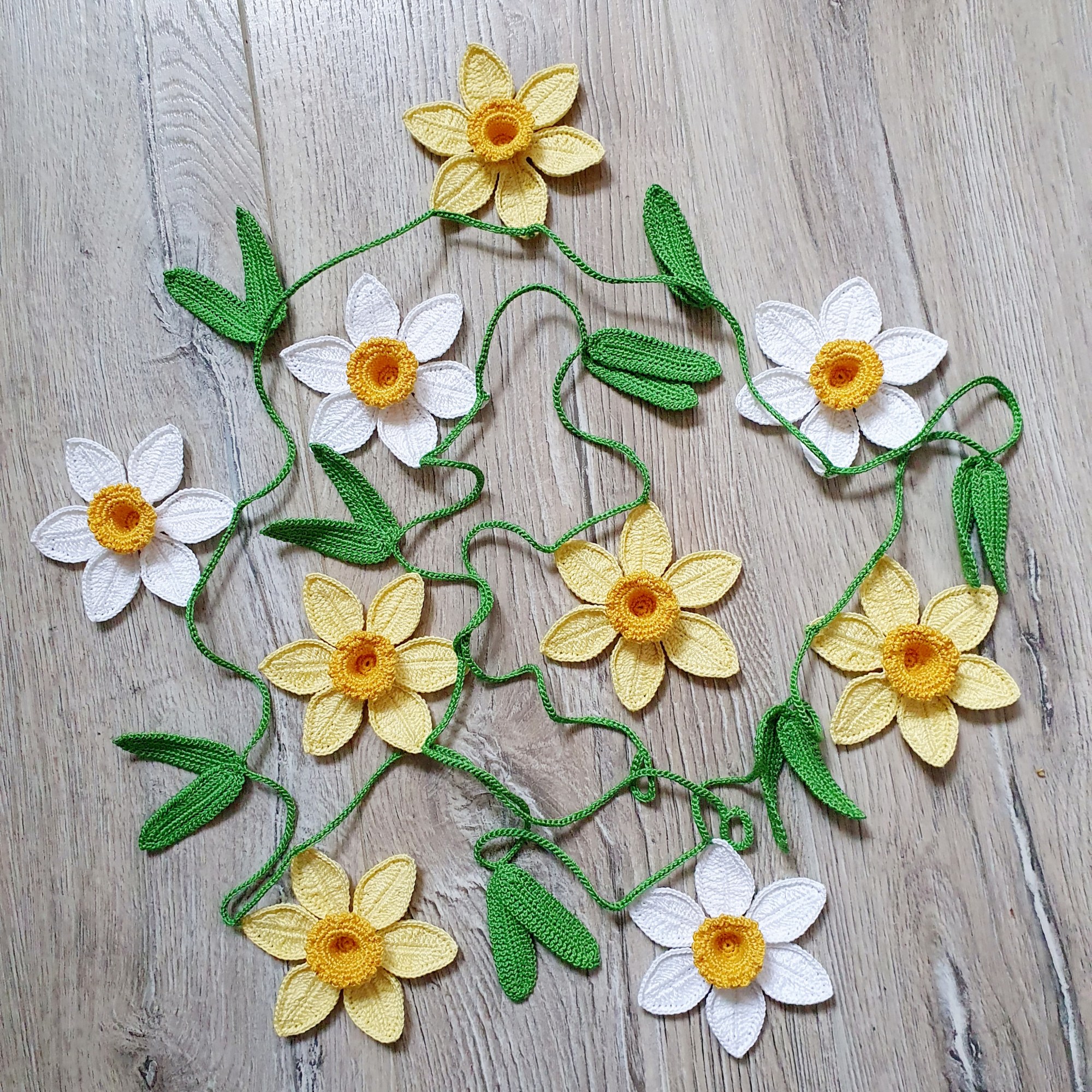
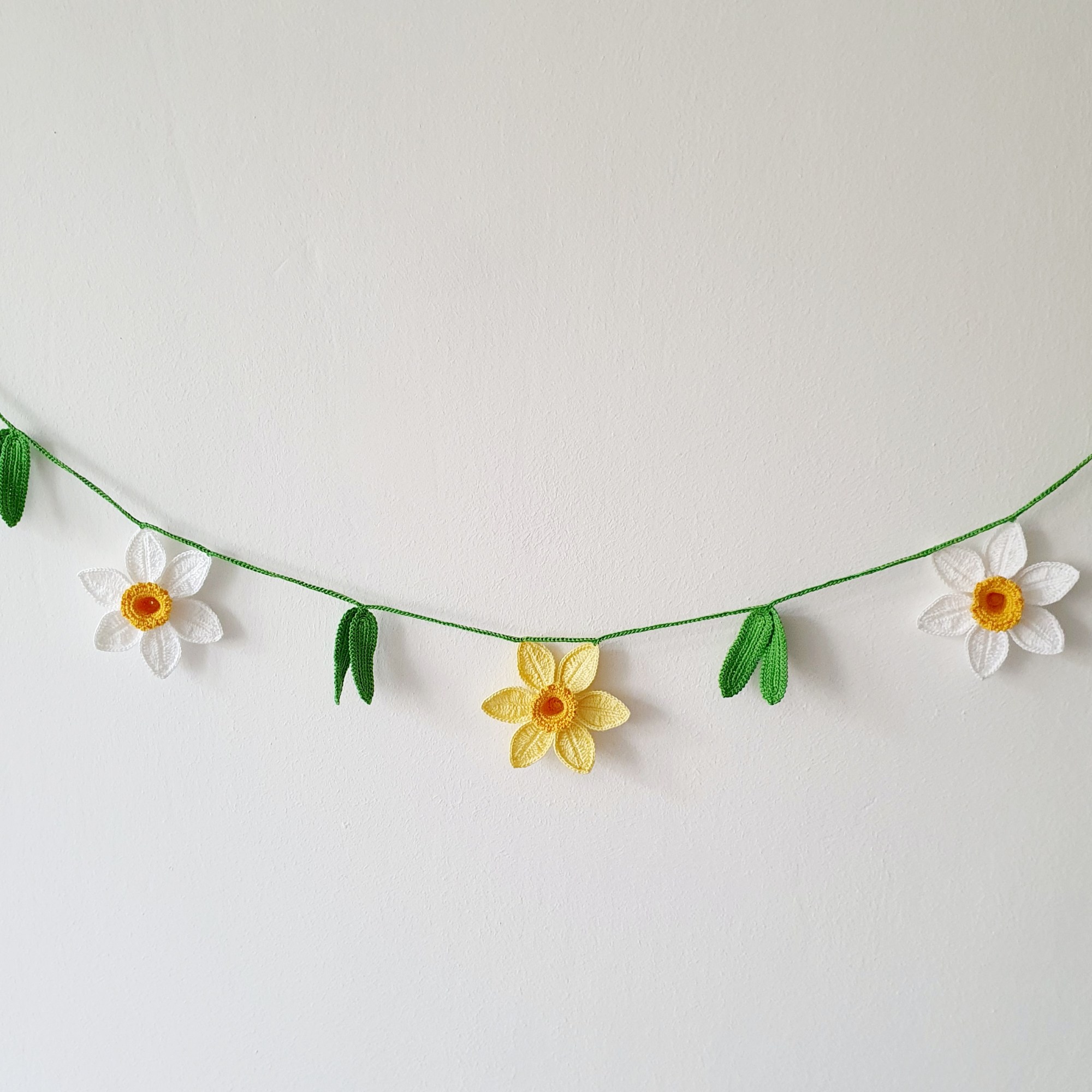
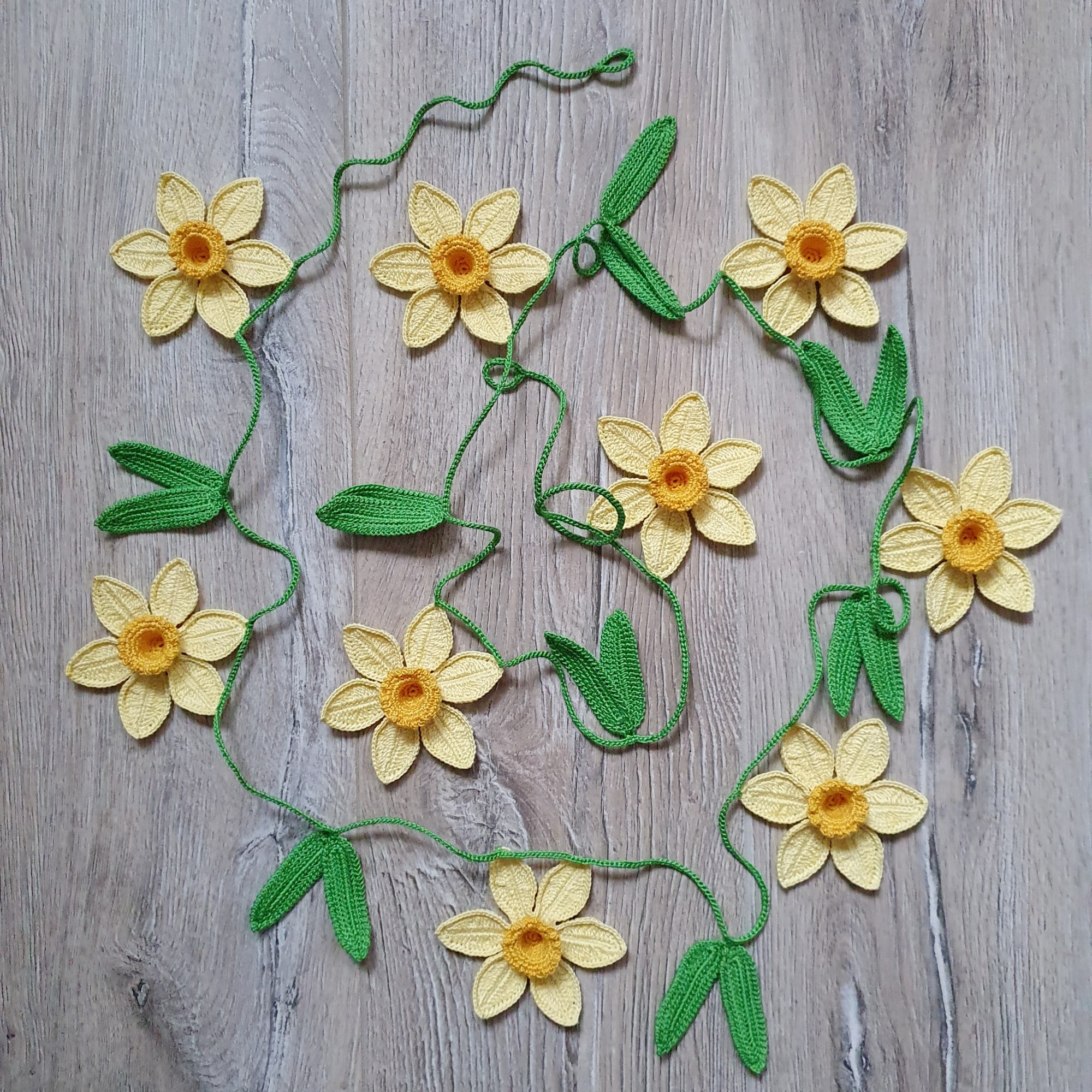
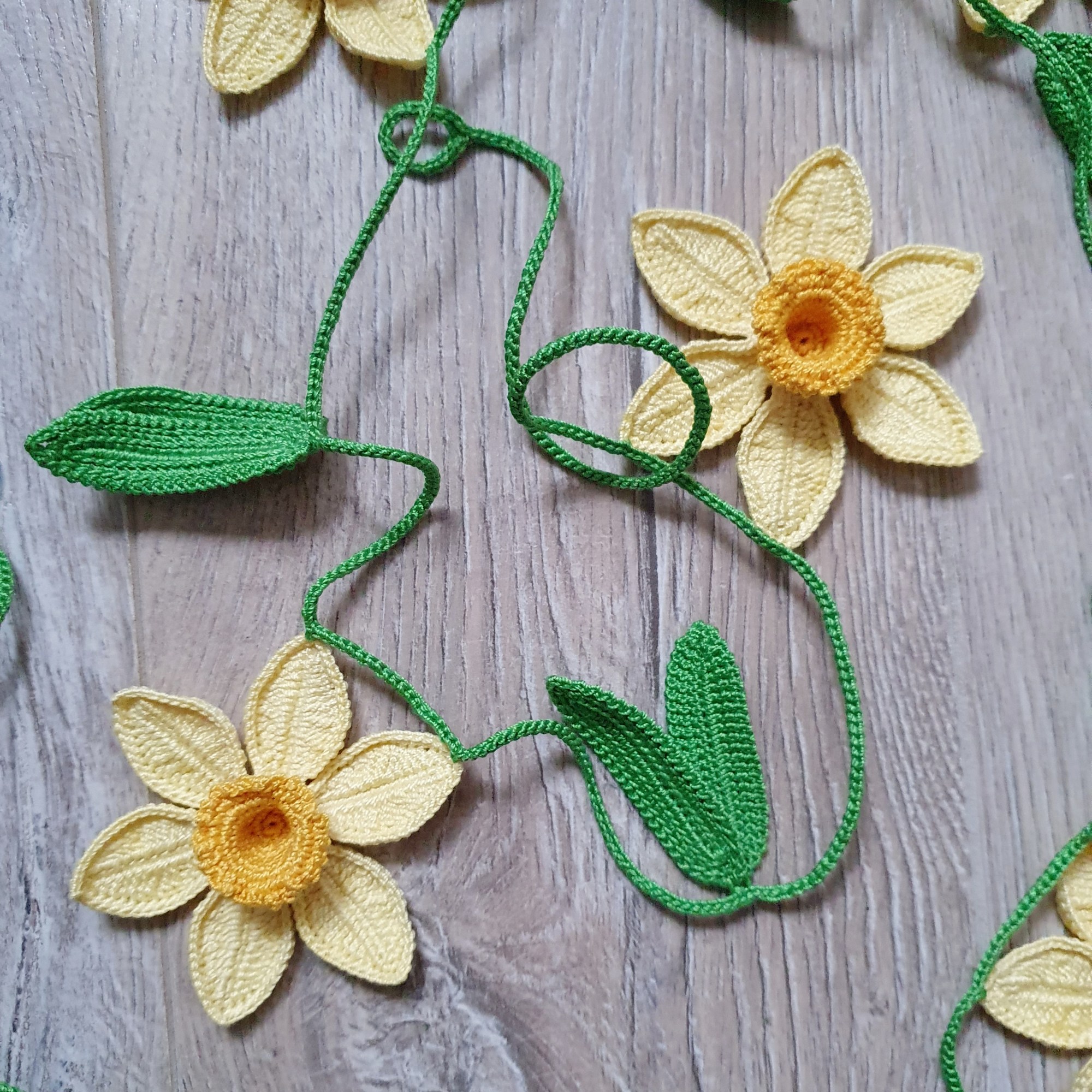
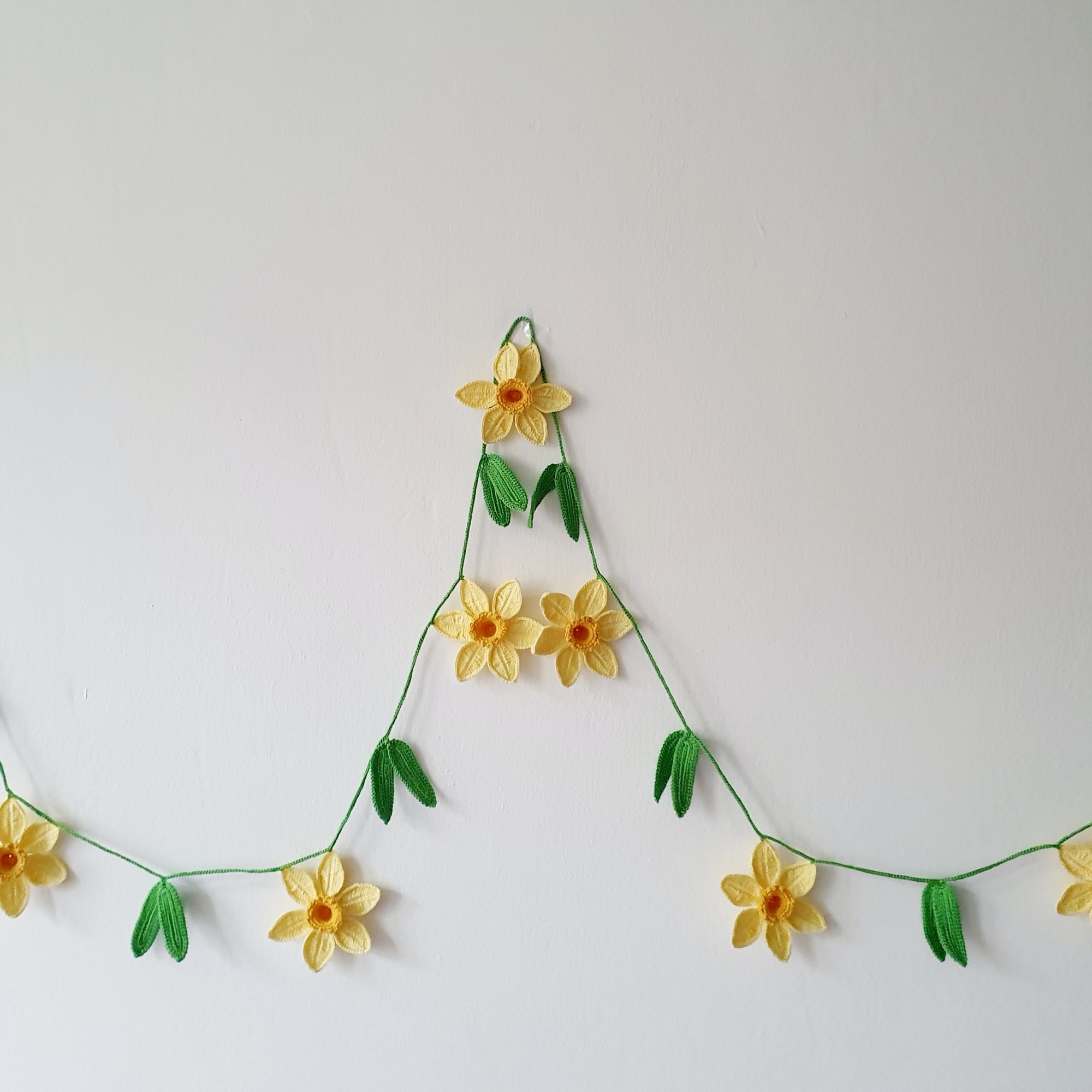
A new garland was crocheted as per my customer’s from the USA wishes. The bunting is composed of daffodils, but this time of white and yellow ones. When buying, you have to choose the number of white and yellow flowers; and this garland will decorate your home, bringing back spring. Thank you, Kimberly, for the idea!

Orange Poppy Garland

Yesterday a customer asked me if I could crochet orange poppies garland. Of course, I could. However, I decided to check what colours poppies can be. I was shocked: in nature, poppies can be white (Islandic poppies), yellow, orange, red, and purple. I think it’s worth crocheting the garland in each colour so my customer could choose the bunting by their preferences and home decor.

Garden Sal

Garden Sal by Durene Jones freebie pattern is ready now. I enjoyed every stitch as always, stitching Durene’s project. There is a birdhouse, a lot of birds and butterflies here. What is more, a bee, a hive and lots of flowers, hare and hedgehog, a garden gnome and mushroom…and a lot of sweet details. I used DMC thread by Durene’s key and Murano beige evenweave 32 count.


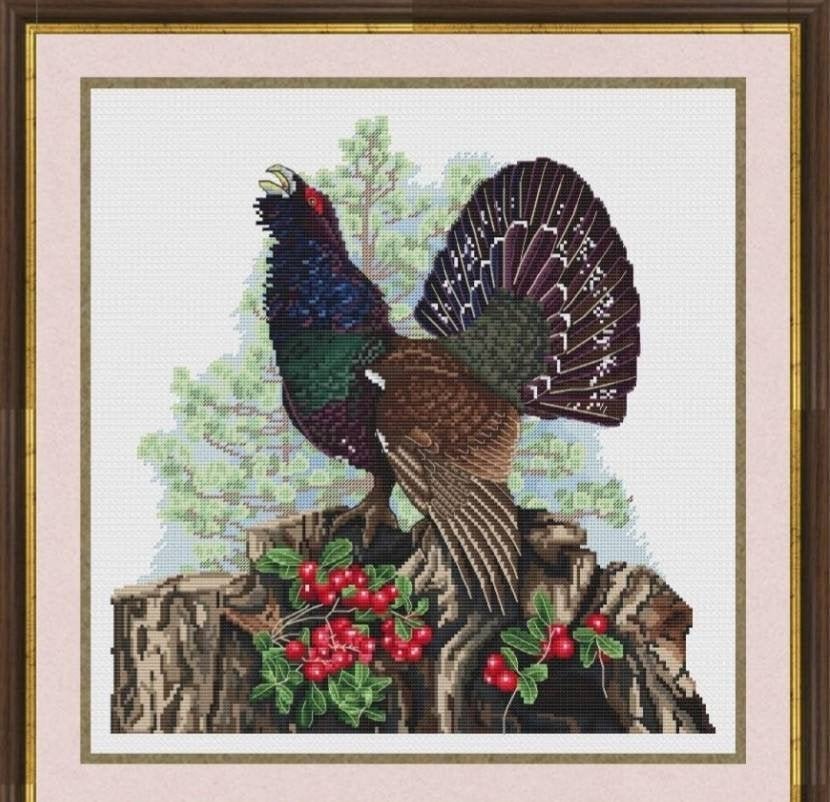
Wood Grouse Cross Stitch Pattern

We have a new bird cross-stitch pattern, this time a big one. It’s a Wood Grouse, which is also called Western Capercaillie, or Heather Cock. It is the largest member of the grouse family. Male and female Capercaillie birds can be individually identified easily by their size and colouration. Our pattern presented a male.
wp-1582907836877862735016150364045.jpg

At one time it could be found in all the taiga forests of northern and northeastern Eurasia within the cold temperate latitudes and the coniferous forest belt in the mountain ranges of warm temperate Europe. In Norway, Sweden, Finland, and Russia their populations are large, and it is a common bird to see in forested regions. However, the Scottish population became extinct, but has been reintroduced from the Swedish population; in Germany, it is on the “Red List” as a species threatened by extinction, so it has not been hunted in Scotland or Germany for over 30 years.

Singing during breeding season is probably the most interesting thing about Wood Grouse. It starts according to spring weather progress, between March and April and lasts until May or June. At the very beginning of dawn, the tree courting begins on a thick branch of a lookout tree. The cock postures himself with raised and fanned tail feathers, erect neck, beak pointed skywards, wings held out and drooped and starts his typical aria to impress the females. The typical song in this display is a series of double-clicks like a dropping ping-pong ball, which gradually accelerate into a popping sound like a cork coming of a champagne bottle, which is followed by scraping sounds. Towards the end of the courting season, the hens arrive on the courting grounds, for “play”. The cocks continue courting on the ground: this is the main courting season. (From https://en.wikipedia.org/wiki/Western_capercaillie).
Bohemian Waxwings Counted Cross Stitch Pattern

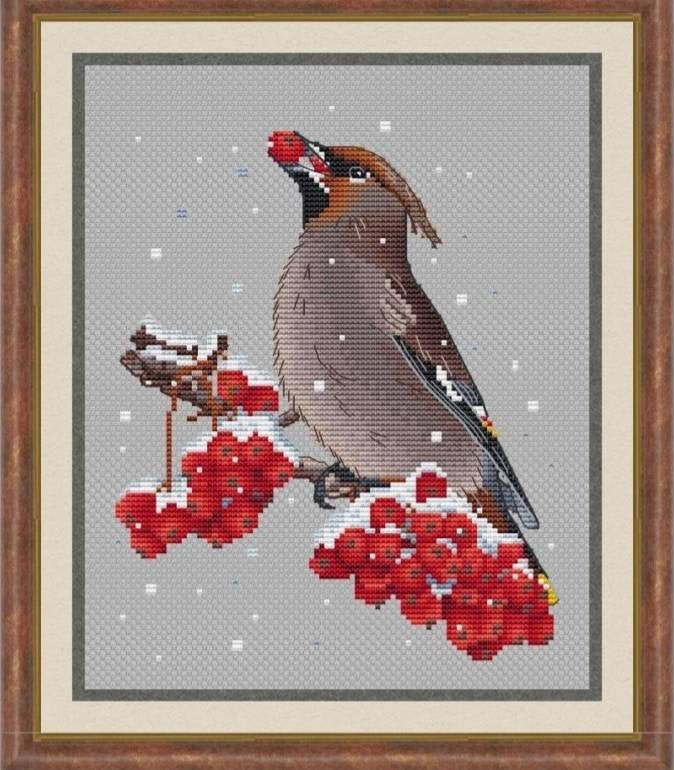
A new cross stitch chart at our shop presents Bohemian Waxwings.

These birds are social birds that form large, compact, and noisy groups-sometimes in the thousands – as they scour the landscape looking for fruit during the nonbreeding season. They dangle on flimsy branches to reach fruit or perch side by side in fruiting trees. Bohemian Waxwings live in Northern forests of Eurasia, Canada and Alaska.